Department of Justice Launches 'Special Campaign 6' to Resolve Pending Cases and Improve Office Hygiene
Under the guidance of the Department of Administrative Reforms and Public Grievances, the Department of Justice has initiated a two-phase special campaign to clear pending tasks and beautify the office premises.

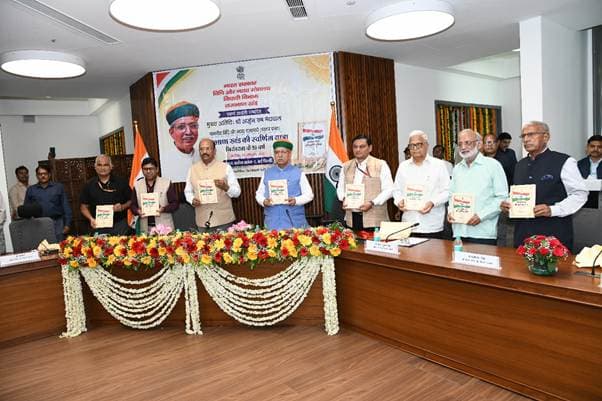
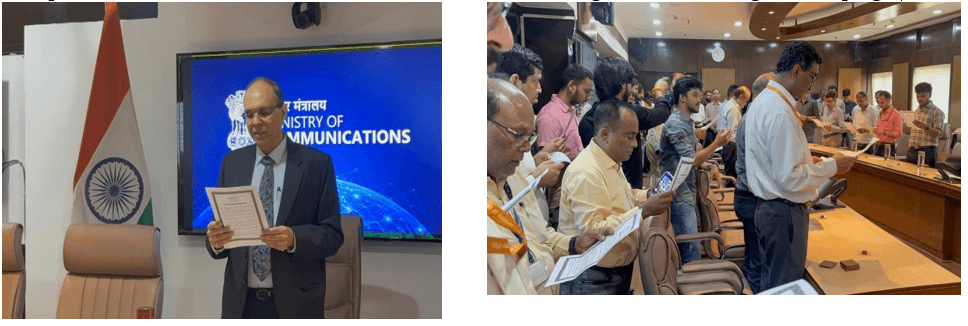
The Department of Justice has launched 'Special Campaign 6' under the guidance of the Department of Administrative Reforms and Public Grievances (DARPG). The primary objective of this campaign is to resolve the department's pending cases and promote cleanliness and beautification within the office premises.
The campaign is being organized in two distinct phases. The first phase, designated as the 'Identification Phase,' ran from September 15, 2026, to September 30, 2026. During this period, the department identified pending matters such as references received from Members of Parliament, parliamentary assurances, pending references between state governments and various ministries, and public grievances. Additionally, areas within the premises requiring cleaning and decoration were mapped. The first phase revealed 211 cases related to public grievances and 309 appeals, while four specific locations were identified for repair and beautification.
The second phase, known as the 'Implementation Phase,' is scheduled to take place from October 2, 2026, to October 31, 2026. This phase will focus on resolving the pending tasks identified in the first phase and carrying out the cleaning and decoration of the designated areas. During this time, officials from the Department of Justice will participate in 'Shramdan' (voluntary labor) to clean the selected sites.
Furthermore, the department has identified 49 e-waste devices and items that will be disposed of during the second phase. The proceeds generated from the disposal of these items will be deposited into the government treasury. The Department of Justice has expressed its commitment to completing all scheduled pending cases and improving the maintenance of selected areas during the second phase.