Do Not Stop Consuming Tuna Based on Parasite Reports From Specific Regions: ICAR-CMFRI
ICAR-CMFRI has clarified that consumers should not stop eating tuna based on reports from other geographical areas, as no signs of harmful parasites have been found in fish along the Indian coast.
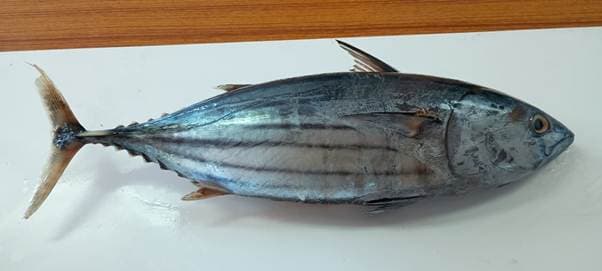
The Kochi-based ICAR-Central Marine Fisheries Research Institute (ICAR-CMFRI) has advised consumers not to stop consuming tuna or other available market fish solely based on reports of parasite infections found in fish from a specific geographical region. According to the institute, no external signs of harmful parasite infections have been observed in tuna and other fish tested along the Indian coast.
This advisory follows a study conducted on fish in the Atlantic Ocean near Brazil, which reported the presence of parasites in skipjack tuna. ICAR-CMFRI clarified that the presence and quantity of parasites can vary across different fish and geographical regions, depending on ecological conditions and the availability of intermediate or secondary hosts such as copepods.
Dr. Grinson George, Director of ICAR-CMFRI, stated that the institute's scientists regularly examine fish, including skipjack tuna, as part of their studies on fish biology. He noted that no external symptoms of harmful parasite infections were found in the fish tested by the institute. The institute further explained that the presence of parasites is often used as an indicator to differentiate fish stocks or populations worldwide; therefore, information from one region cannot be automatically applied to the same species of fish in another region.
Regarding food safety, the institute recommended taking additional precautions. According to ICAR-CMFRI, during the handling and cooking of fish, internal organs, such as the intestines, should be removed promptly and correctly. Proper cooking destroys parasites and reduces safety risks.
The institute mentioned that in some countries, raw or lightly cooked seafood is consumed due to cultural traditions, which can increase the risk. However, in India, seafood is typically cooked over high heat, ensuring additional safety. The institute has encouraged consumers to continue benefiting from the nutrients in seafood while following proper cleaning and cooking methods to minimize potential risks.